We have compiled videos and troubleshooting techniques to help you solve problems, and get the most out of your safe.
1. Electronic Lock FAQ's
2. Mechanical Lock FAQ's
3. Door Handle FAQ's
4. Key FAQ's
5. Vault Door FAQ's
Lock Trouble Shooting Resources:
S&G: 800-826-7652
Kaba: 800-334-1381
Securam: 805-988-8088
Fort Knox Resources:

Fort Knox safes are handcrafted in the USA using thicker steel than the industry standard, backed by the most comprehensive lifetime warranty in the business. That warranty covers forced entry, fire damage, flood damage, and manufacturing defects for the life of the original owner. Every safe is built to order from thick sheets of American steel that are machine folded to minimize joints, with seams welded both internally and externally for 100% weld penetration. Fort Knox also leads the industry in fire protection, with ratings up to 1,800°F in 2.5 hours on Home Safes and models with the Reinforced Fire Liner upgrade. You are not buying something pulled off an assembly line.
Yes. Fort Knox was founded in 1982 by Tom James in Orem, Utah with a mission to protect firearms from unwanted hands. The company remains family-owned and operated today, run by the second and third generations of the James family. Every Fort Knox safe, vault door, and home safe is still handcrafted in Orem, Utah using American steel and American labor. That has never changed.
Most budget and mid-range safes use thin steel that offers little real resistance to cutting, prying, or drilling. Fort Knox starts at 10-gauge steel on entry-level models, which already outperforms most competitors at comparable price points. When comparing safes, overall body thickness includes both the outer steel wall and any inner steel liners combined. A safe with a thinner outer wall can still achieve impressive overall thickness by adding layers of carbon steel, stainless steel, or AR500 on the inside. Fort Knox builds this way by design, starting with a solid outer wall and allowing buyers to add additional layers of protection as their budget and security needs demand. The door edge — the combined thickness of the steel security plate and door jacket — is one of the most important numbers to compare between brands, and Fort Knox door edge thickness ranges from 3/8" on entry models up to 1" on the Legend. Most buyers are surprised to find that Fort Knox entry-level door steel already exceeds what competitors offer at much higher price points.
AR500 is an abrasion-resistant ballistic steel — the same material used in armor plating, mining equipment, and shooting targets. It is extremely resistant to cutting tools, drills, and torch attacks. Fort Knox uses 3/16" AR500 as a standard liner on the Titan and Legend models, and as an optional ArmaKnox AR500 Package upgrade on most other models. The ArmaKnox AR500 Package covers all six sides of the safe including the door. No standard carbon steel offers the same level of breach resistance.
The average house fire can exceed 1,500°F for 20 to 30 minutes, so the internal temperature of your safe matters more than most buyers realize. Fort Knox fire protection starts where most competitors stop:
Fort Knox uses a layered fire protection system that most competitors cannot match. It starts with Type-C Fireboard — a proprietary gypsum board with Vermiculite and blended fibers that maintain structural integrity under intense heat. Many other brands use standard drywall. The fireboard is secured with welded anchors, not glue, because glue melts during a fire and causes the board to slump away from safe walls. A thermal barrier dead air gap between the outer wall and the fireboard further slows heat transfer. Finally, two seals run the perimeter of the door: a smoke seal that blocks heat, smoke, and caustic residue, and a Palusol fire seal that physically expands at 212°F to close off any gap against direct flame.
Gun safes are designed primarily to store firearms and ammunition with interior layouts optimized for long guns, handguns, and accessories. Fort Knox gun safe models range from the Spartan and Maverick up through the Legend.
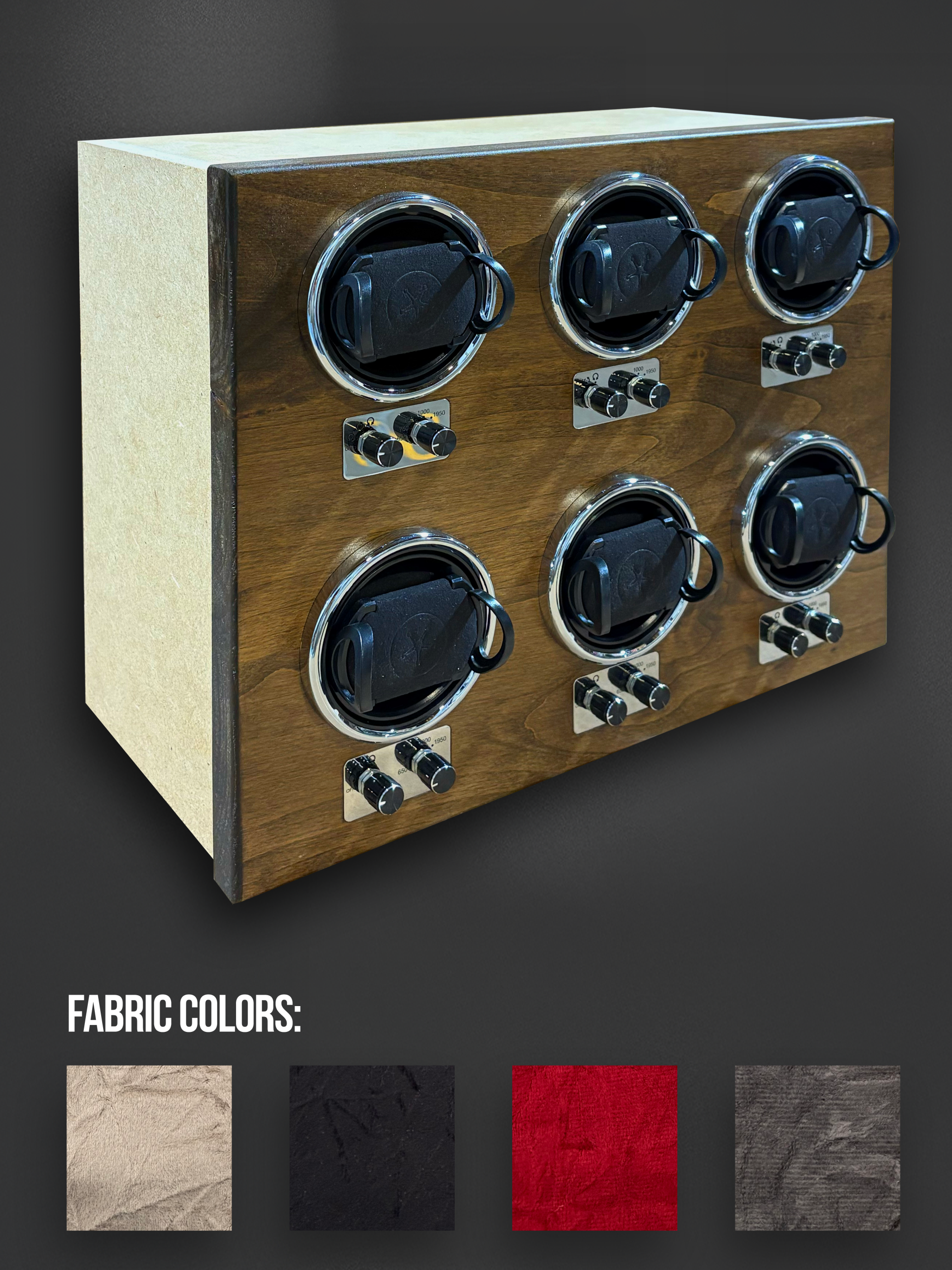
Home safes are built for valuables like jewelry, watches, documents, and irreplaceable items. Fort Knox Home Safes include a built-in cabinet with felt-lined jewelry drawers, a mirrored back panel, optional watch winders, and the highest fire rating in the lineup at 1,800°F for 2.5 hours with the Reinforced Fire Liner included as standard.
Vault doors convert an entire room into a walk-in vault. Fort Knox vault doors come in four rough opening sizes from 82"×40" up to 96"×48".
An in-swing vault door opens toward the inside of the vault room and comes with internal hinges. This is the recommended choice for storm shelters or panic rooms because it remains functional even if debris blocks the outside.
An out-swing vault door swings outward and is available with either internal or external hinges, offering a 180° swing radius — beneficial when vault room interior space is limited. Fort Knox vault doors are available in both configurations in left and right hinge placements, and can be mounted directly to concrete for maximum security and fire protection.
The Legend is Fort Knox's flagship vault, and nothing else in the industry compares to it. The 1/2" body is constructed from three layers of steel: carbon steel, 10-gauge stainless steel, and 3/16" ArmaKnox AR500 — creating a wall that resists cutting, drilling, and torching simultaneously. The door edge reaches 1" of combined steel thickness. With up to 28 locking bolts, the Legend physically secures more points than any other safe in the lineup. The interior features a tempered-glass back panel that exposes the signature rack and pinion gear system, a visible mechanical achievement that no other manufacturer offers. The Legend is available in sizes up to the 7261XD with 100 cubic feet of interior volume and is covered by the Fort Knox lifetime warranty.
The Fort Knox lifetime warranty applies to the original purchaser for the lifetime of the original purchaser from the date of delivery. It covers defects in material and workmanship, forced entry and unlawful break-in attempts, and incidental damage from fire, flood, or accident. Locks are included under the same warranty. It is one of the most comprehensive warranties available in the safe industry. Lights, sensors, and watch winders carry a separate one-year limited warranty. For full terms and to file a claim, visit the warranty page at ftknox.com.
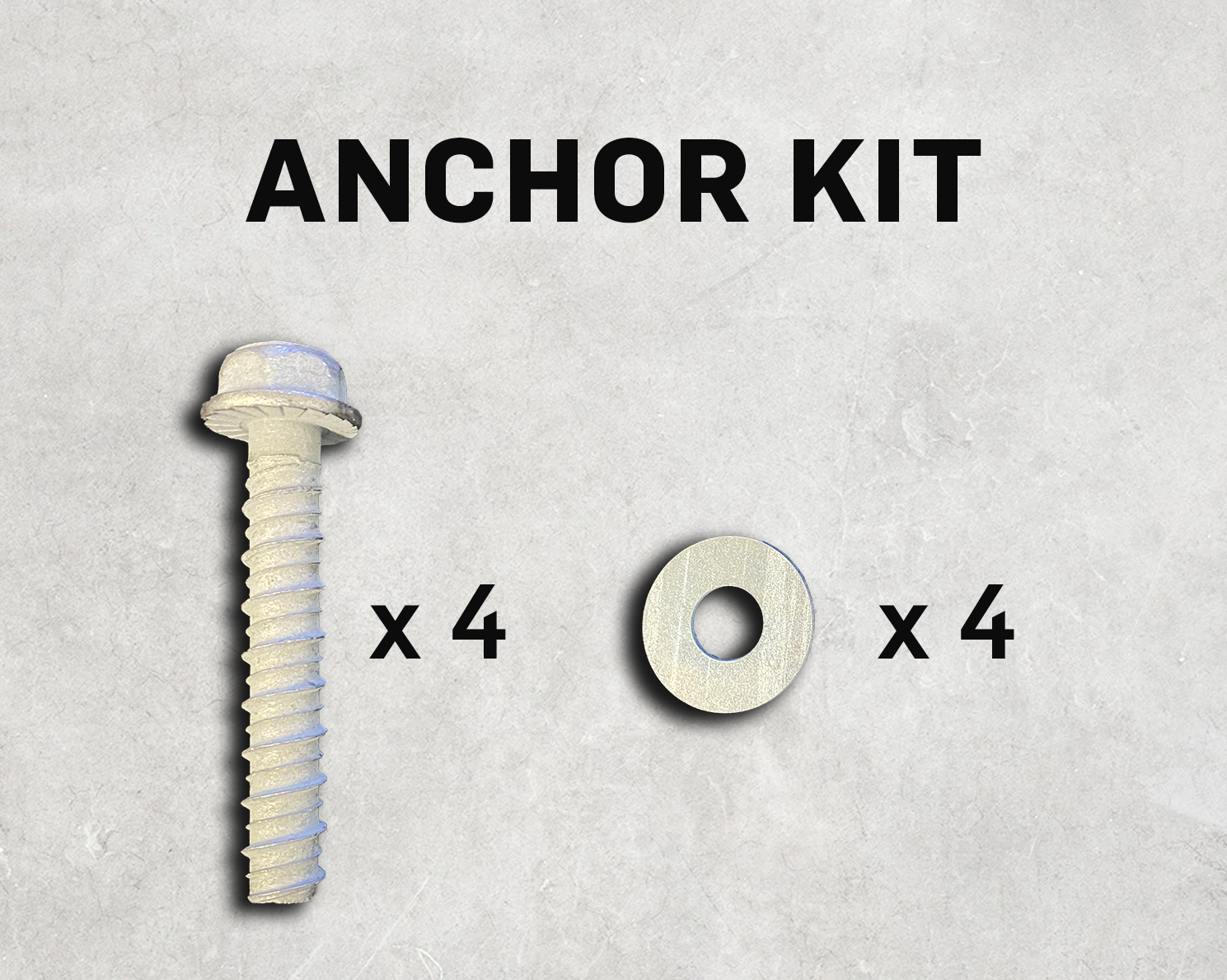
Fort Knox safes are substantially heavier than comparable models from other brands because they use more steel. Entry-level models start around 450 to 600 pounds; top-end models like the Legend 7261XD exceed 4,500 pounds. Weight is a security feature, not a drawback. For large safes and vault doors, professional delivery and installation through your dealer is strongly recommended. All Fort Knox safes include anchor bolt holes for securing to the floor, and anchoring is always recommended for maximum security.
Start at ftknox.com and use the Build and Price tool to customize your safe — selecting your model, size, steel thickness, fire protection level, exterior color, lock type, and interior configuration. Once you complete your build, your quote is sent to your nearest authorized dealer and they will reach out to finalize your order. Fort Knox sells exclusively through a network of certified dealers across the United States to ensure every customer receives proper guidance and professional delivery.
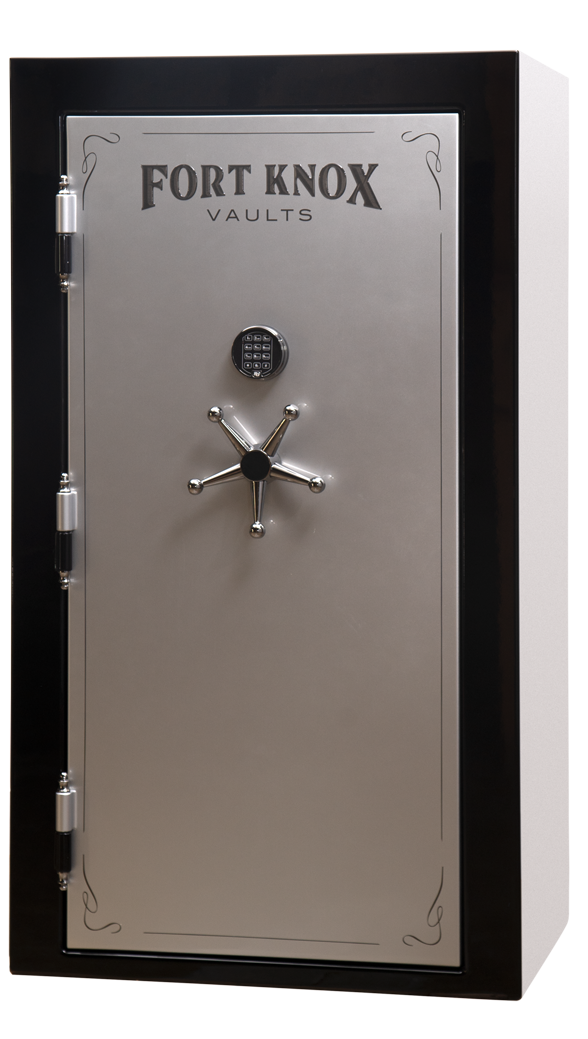
Is there a backup way to get into the safe if my batteries die?
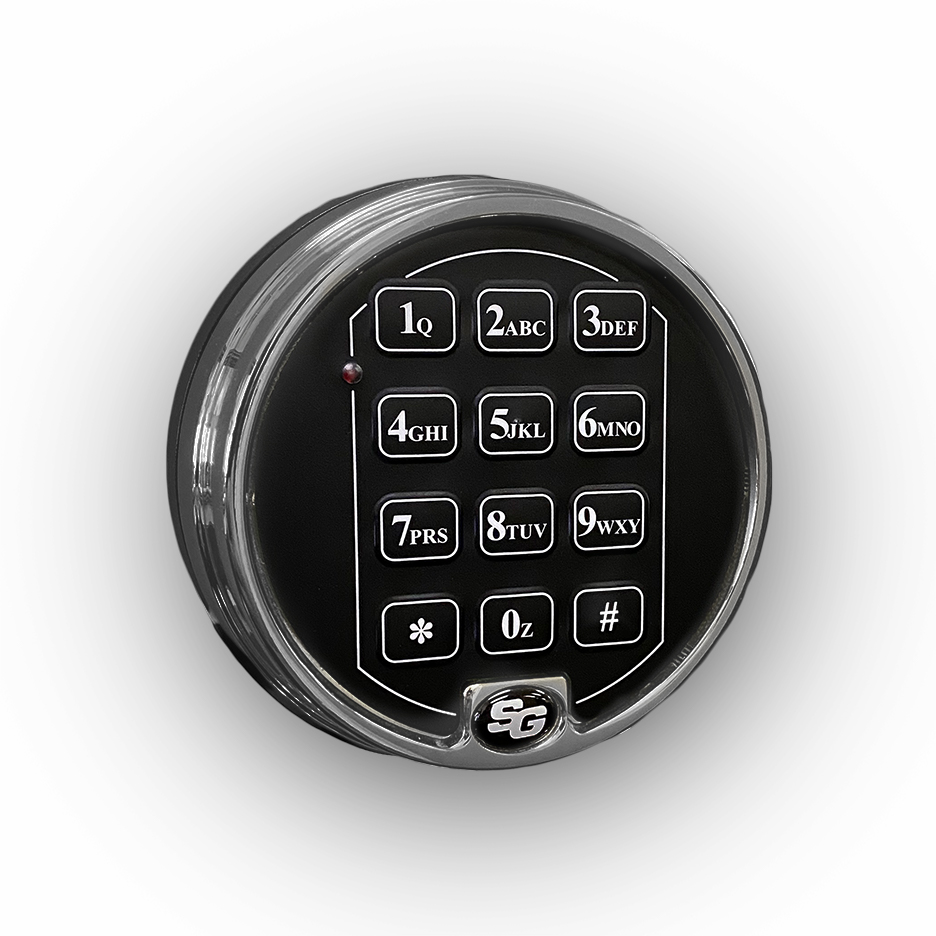
For added security there is no other way to get into the safe, making it very important to check battery life. However, the battery compartment is located on the outside of the safe so you can still change the battery and regain access to your safe, even if it dies. The combination is stored in the locking body and will remain the same.
How long does the “lock-out mode” last?
Lock-out mode lasts 5 minutes. Refrain from pushing buttons while the battery connects or the timer will reset.
How Do I Change the Batteries?
Remove the keypad from plastic base by pulling straight out, careful to not damage wire connecting keypad to base. Remove old battery and replace. Push keypad back into plastic base and test.
If the batteries die does the lock remember my combination?
Yes, your combination is stored within the locks computer and will not be affected if you change the battery or if the battery dies.
How do I change my combination?
Can an electronic lock be installed on my safe?
Most mechanical locks can be swapped out with an electronic lock. To verify if your safe can have an electronic lock installed Click Here
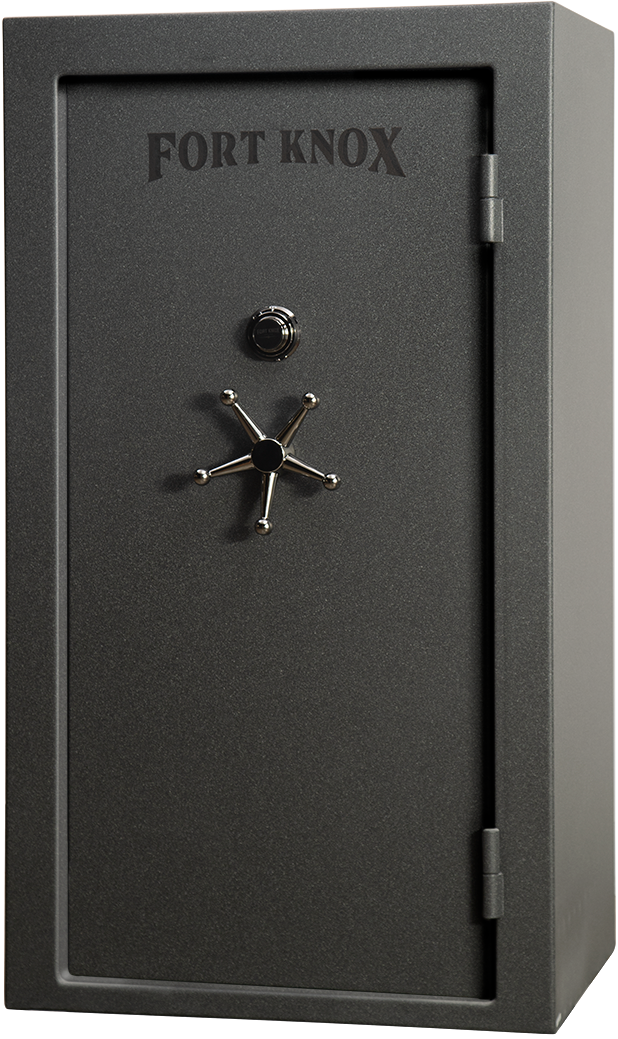
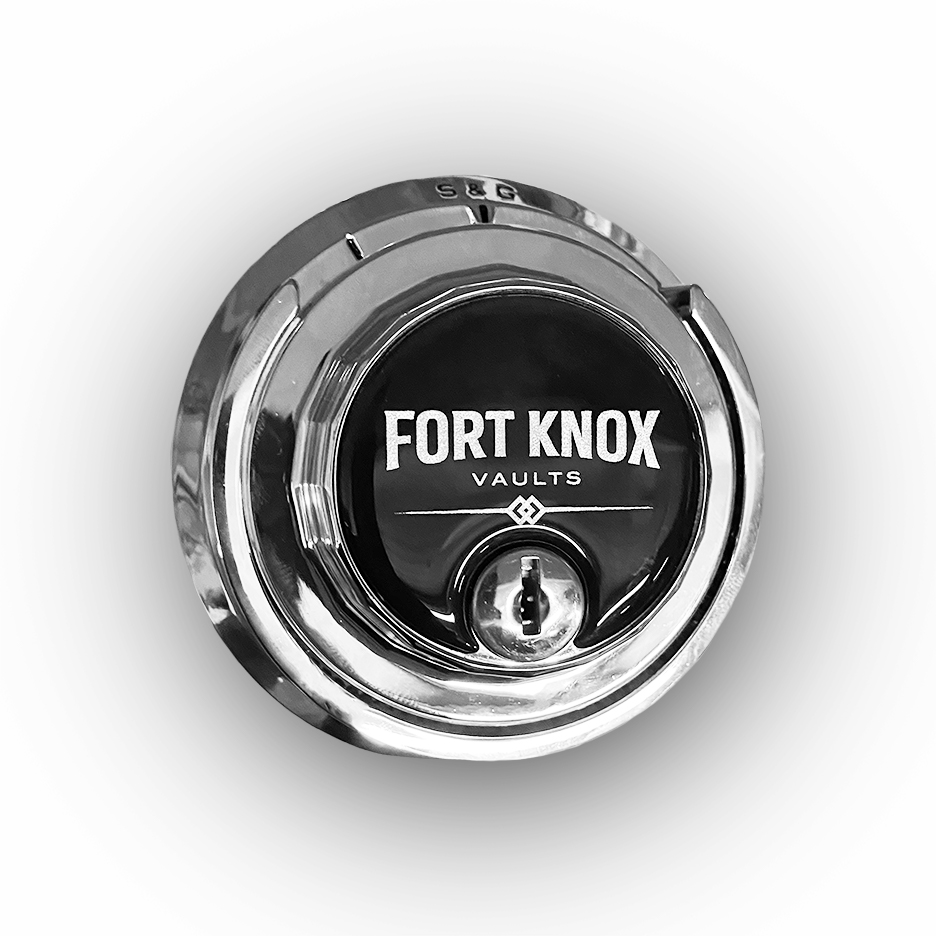
Mechanical dials are confusing, how do I open my safe?
Troubleshooting
A very high percentage of lockouts are due to the end user’s improper dialing of the combination lock. There is a simple, definite procedure which must be followed to achieve consistent success. An important point to remember is that there are usually two index lines on a dial ring. The one at the twelve o’clock position is used in dialing open the lock. The mark at the eleven o’clock position (if present) is used only for changing the combination.
While performing any procedure involving dialing numbers into the lock, it is important to view the dial and ring straight on. This helps ensure the number you are entering will be aligned directly under the index mark. If you dial past the intended number even slightly, begin the entire dialing procedure again.
The procedure for a Sargent & Greenleaf three-wheel lock is as follows:
1. Turn the dial left (counterclockwise), stopping the fourth time the first number of the combination aligns with the opening index.
2. Turn the dial to the right (clockwise), stopping the third time the second number of the combination aligns with the opening index.
3. Turn the dial to the left (counterclockwise); stopping the second time the third number of the combination aligns with the opening index.
4. Turn the dial to the right. Some resistance should be felt as the mark representing “97” comes under the opening index, and the dial should reach a positive stop near “87.” The lock is now open, turn the opening handle to release the door. During the dialing process, it is normal to feel more resistance each time the dial is turned a complete revolution. Each turn of the dial engages another part of the mechanism, creating more resistance to dialing.
How do I Change My Combination
Changing Mechanical Lock Combination
Combination Will Not Open the Safe
Check lock-bolt pressure. Some free play should exist in the handle, left to right. Redial the complete combination stopping at "0" (before reaching "87"). Hold dial on "0" while rattling the handle left and right. Then turn the dial right until it stops at about "87". PLEASE NOTE: If your lock still does not open, it is possible that one or more of your numbers may be off slightly from those shown in this manual. The combination number may have shifted slightly during shipping. Try dialing 1 up or 1 down from each number in the combination.
Combination Dial is Tight or Will Not Turn
Verify that the key-lock is unlocked before attempting to turn dial. Check lock-bolt pressure. Some free play should exist in the handle, left to right. Excessive bolt pressure may be due to improper personal storage. Make sure the door is completely closed and the locking bolts are in the fully extended position. Normally dial tightness varies from safe to safe. Tightness of dial may increase or decrease as dial is being turned.
Can I replace the digital keypad with a mechanical lock?
Most Electronic locks can be swapped out with an Mechanical lock. To verify if your safe can have an Mechanical lock installed Click Here
Does my warranty cover me if I lost the combination to my safe?
The warranty does not cover lost or forgotten combinations, failed combination changes, improper opening procedure, and weak or dead batteries.
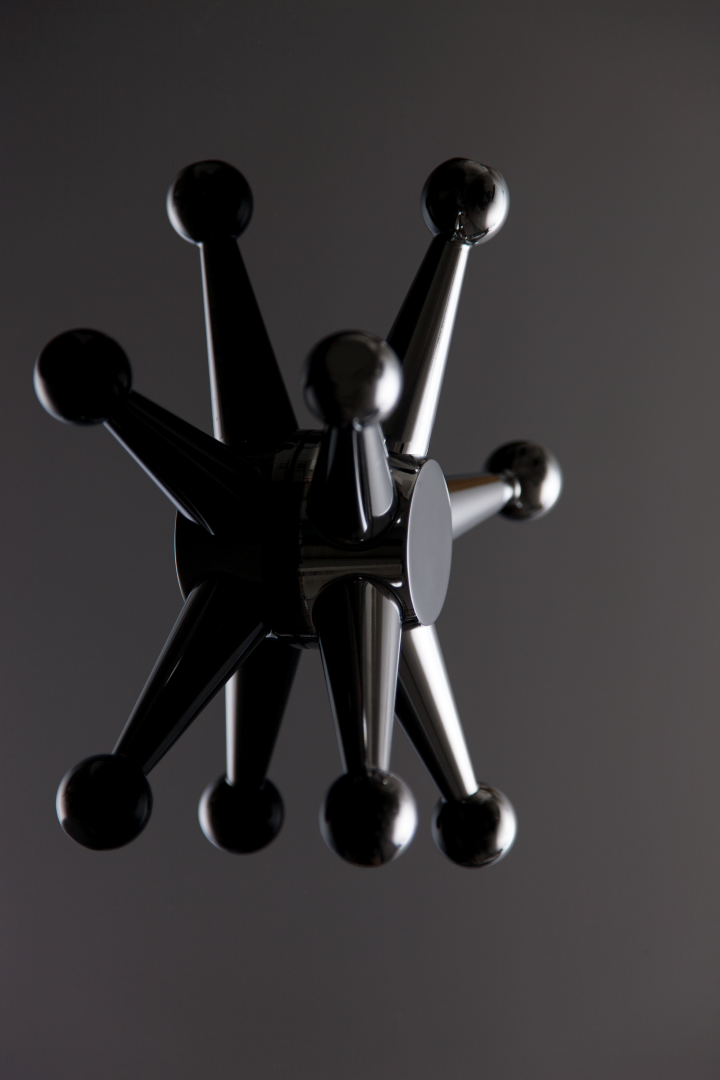
Why is the handle pointing in a different direction than it used to be?
The handle has a built in clutch mechanism. When the handle is forced it will slip left or right.
Combination Works but Handle Will Not Turn
Verify that the dial has completely stopped (turning to the right) on or about "87" before turning the handle. Corner protectors (packaging material) may cause undue pressure on the locking bolts. To alleviate the pressure push in on the door while pulling out and turning the handle to open the safe. If the handle turns partially the bolts may be jammed or caught up. Try rotating the handle back and forth (left to right) until the bolts free up. Use a cotton cloth and light oil to rub each chrome locking bolt on the open and hinge side of the door.
Combination Works and Handle Turns but Safe Will Not Open
Verify that the handle has been completely rotated in the open position before opening the door. Check the Allen set screw located on the front (center of handle under sticker) or side of the handle hub for tightness. Some safes are installed with a unique handle clutch mechanism. Improper personal storage or over tightening the door adjusting mechanism may cause the clutch to temporarily engage. Try pushing in on the door while pulling out and turning the handle. You may have to repeat this step several times until door is open.
Door Rattles When Shut
Adjust Door. Also, verify that the handle has rotated completely and that the chrome locking bolts are fully extended.
Door Will Not Shut
Verify that the lock is unlocked and the chrome locking bolts are fully retracted. Make sure the interior shelves are pushed back as far as possible, and that the floorboard is pressed down to the bottom of the safe floor. The handle should travel the same distance with the door closed as it does with the door open.
Door Shuts but Will Not Lock
Verify that the door is shut completely, the handle rotated completely and chrome locking bolts are extended to their locked position. Then rotate the dial to lock the safe. Verify that interior shelves are pushed back as far as possible, and that the floorboard is pressed down to the bottom of the safe floor. (For electronic locks see the next section.)
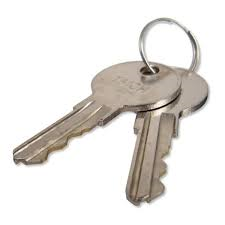
What is the purpose of the key-locking dial?
The key-locking dial on many safe models merely locks the dial and keeps the dial from turning so the safe bolts won't lock. It is a low security lock and I designed to only lock the dial, it does not lock the door.
What if I lose my keys?
If you lose the keys to your key-locking dial, Replacement keys for both redundant and mechanical locks are located in our accessory shop. Replacement Keys
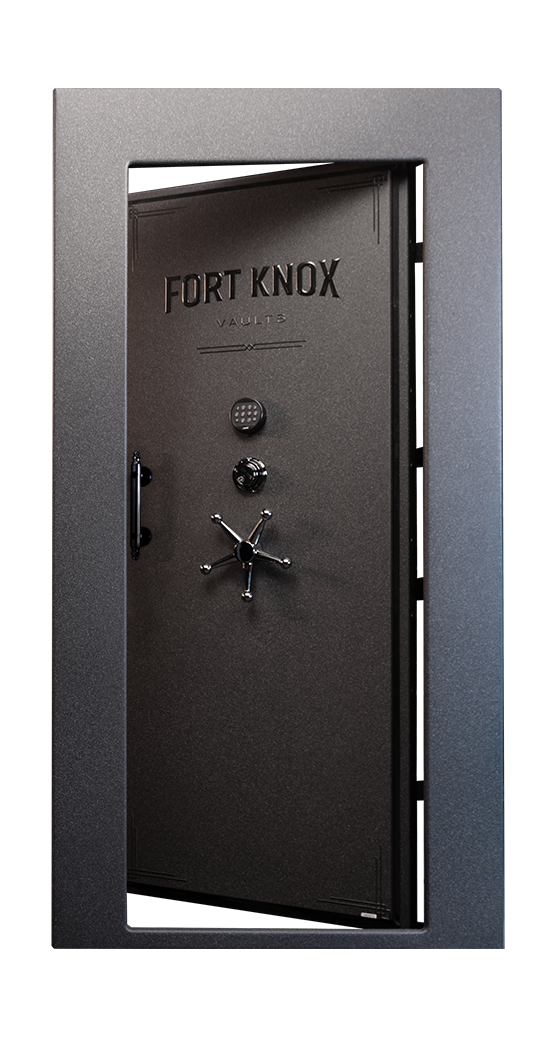
Can I get a step by step example of how to install my Vault Door?
Vault Door Installation Step-by-Step Video
How should I prep my doorway for a Vault Door Installation?
Custom build a Fort Knox safe tailored to your needs, from color to steel thickness.
build & priceExplore our collection of expertly crafted safes, built for security and style.
view gallerySubscribe to our monthly email newsletter for deals and updates.